
Notes from the Field

Interesting Nature Facts #69 – Oregon Iris
The leaves of the Oregon iris are so strong that early explorers in the Pacific Northwest recorded Native Americans using the leaves to make snares for large mammals - even elk! The scientific name, Iris tenax means tough iris. MORE PHOTOS OF IRISES MORE INTERESTING...

Interesting Nature Facts #68 – Yellow Coralroot Orchid
The yellow coralroot is unusual compared to other members of the Corallorhiza genus in that it is the only one that produces its own chlorophyll like nearly all green plants (hence the yellowish-green color) and is only partially parasitic on the surrounding plants...
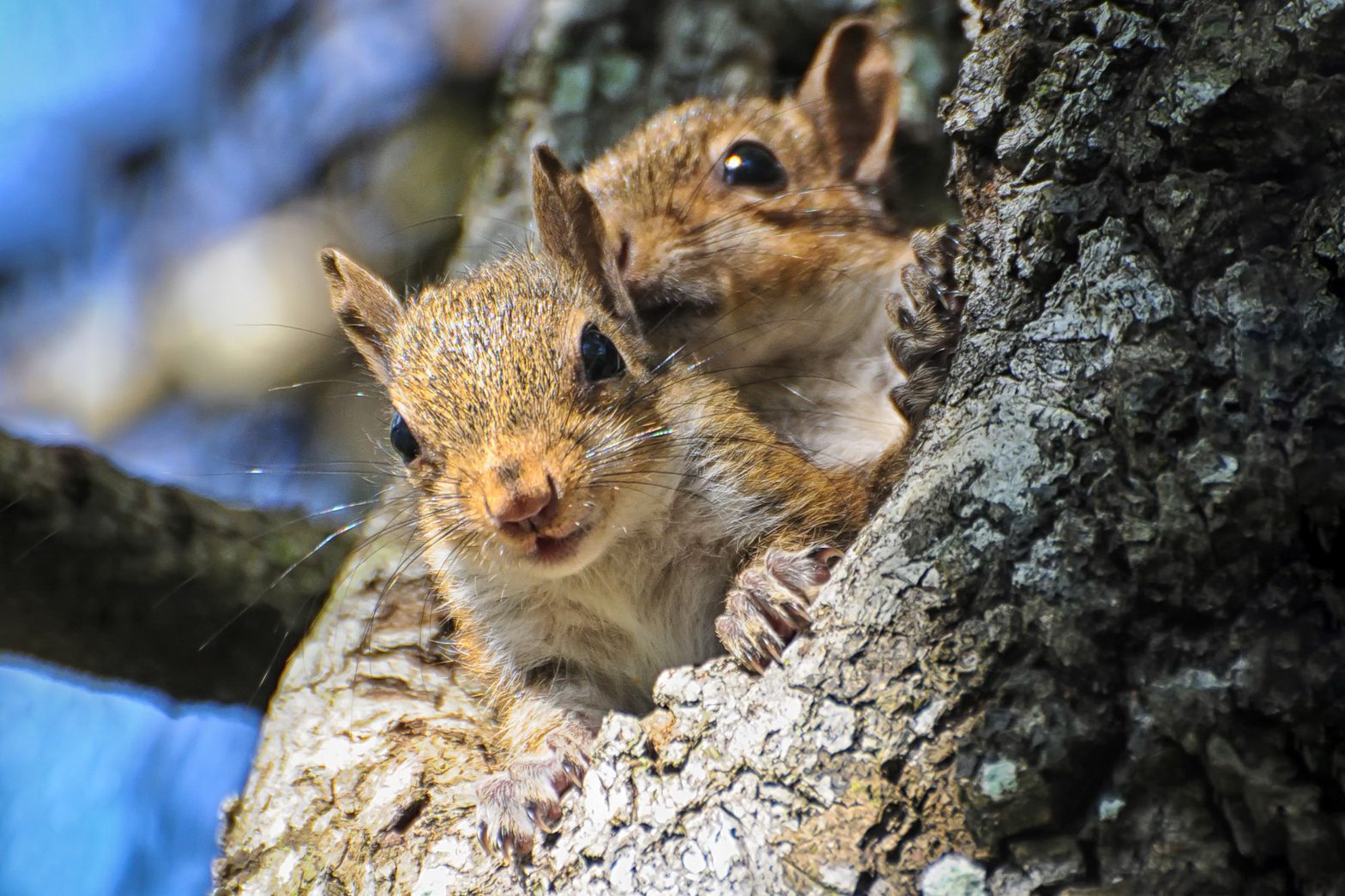
Interesting Nature Facts #67 – Squirrels
Next time you are in a forest or thick woods, you may want to thank your local squirrels. Millions of trees are accidentally planted each year by squirrels that bury seeds, nuts and acorns and then forget where they hid them or get eaten before they can retrieve them....
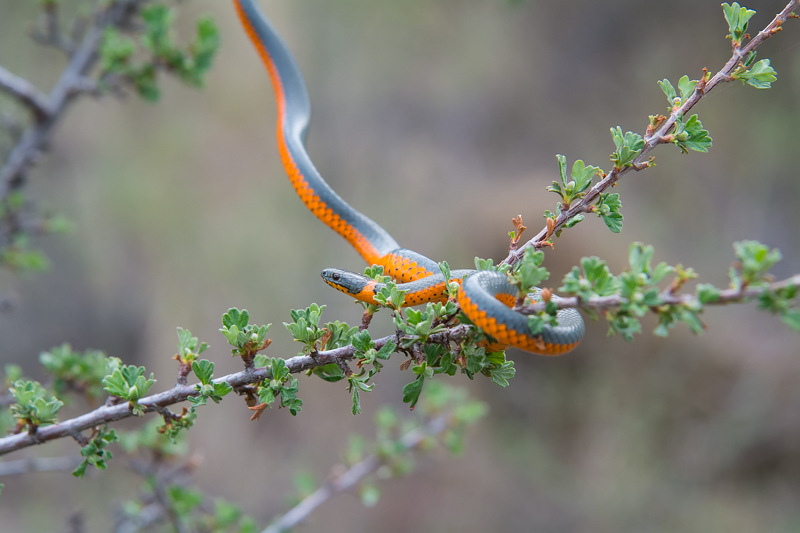
Interesting Nature Facts #66 – Ringneck Snake
The ringneck snake is a mildly venomous (harmless to people) colubrid that feeds on a variety of animals such as lizards, frogs, slugs, tiny salamanders, bugs, earthworms and smaller snakes. MORE PHOTOS OF SNAKES MORE INTERESTING NATURE FACTS Interesting Nature Facts...

Interesting Nature Facts #65 – Violet-Green Swallow
Violet-Green Swallow! Welcome to the next installment of a new series of nature photos that will be short & sweet, and all about the native and naturalized wildlife that is all around us with just one or two interesting nature facts that you might not know about....

Interesting Nature Facts #64 – Estuaries
Estuaries are the bridges to land and sea, and it's here where life is most abundant. Twice a day these shallow water experience a change in salinity due to changing tides, and this attracts about 20 times the amount of biological mass than the open ocean providing an...

Interesting Nature Facts #63 – Huckleberries
The huckleberry was one of the few plant species to survive on the slopes of Mount St. Helens when the volcano erupted in 1980, and still exists as a prominent mountain-slope bush today. MORE PHOTOS OF FRUITS AND BERRIES MORE INTERESTING NATURE FACTS Interesting...

Interesting Nature Facts #62 – Ferns
Ferns reproduce via spores and have neither seeds nor flowers. Their fossil record goes back 360 million years. MORE PHOTOS OF FERNS MORE INTERESTING NATURE FACTS Interesting Nature Facts is a series about the flora, fauna and places that make North America so...

Interesting Nature Facts #61 – Scorpions
Out of roughly 80 species of scorpions native to North America, 45 of them live in the American Southwest. MORE PHOTOS OF INVERTEBRATES MORE INTERESTING NATURE FACTS Interesting Nature Facts is a series about the flora, fauna and places that make North America so...

Interesting Nature Facts #60 – Yucca Flowers
Not only is the Yucca flower the state flower of New Mexico, it is also edible! Traditionally, the native peoples of the area ate the flowers, stalks and fruits, used the fibrous, spiky leaves for cordage, and mashed the pulpy root with water for soap. MORE PHOTOS OF...

Interesting Nature Facts #59 – Skunk Cabbage
One of the earliest plants to flower in the late winter, the skunk cabbage will generate it's own heat and actually melt the snow around it, while using the heat to attract pollinating insects as it blooms early. MORE PHOTOS OF WILDFLOWERS MORE INTERESTING NATURE...

Interesting Nature Facts #58 – Milkweed
Milkweed is named for its milky sap. Some species are toxic. Monarch butterflies lay eggs on milkweed. To limit the damage by caterpillars, milkweed uses hairs on the leaves, latex and toxins in the sap. MORE PHOTOS OF WILDFLOWERS MORE INTERESTING NATURE FACTS...